
诅咒铠甲
诅咒铠甲 - 游玩教程 官网入口
诅咒铠甲中文官网-免费下载最新版v3.01。wolfzq大师制作的国人原创RPG冒险游戏,讲述少女莉莉娜被迫穿上诅咒铠甲后寻找六件圣物的冒险旅程。丰富的换装系统、多重结局、完整中文汉化。
诅咒铠甲 - 游玩教程 官网入口
诅咒铠甲中文官网-免费下载最新版v3.01。wolfzq大师制作的国人原创RPG冒险游戏,讲述少女莉莉娜被迫穿上诅咒铠甲后寻找六件圣物的冒险旅程。丰富的换装系统、多重结局、完整中文汉化。
新手攻略1. 熟悉游戏界面
新手玩家首先需要熟悉游戏的操作界面,包括菜单、背包、地图等基本功能。
2. 与NPC对话
通过与监狱中的NPC对话,可以获取重要线索和任务,推动剧情发展。
3. 收集道具
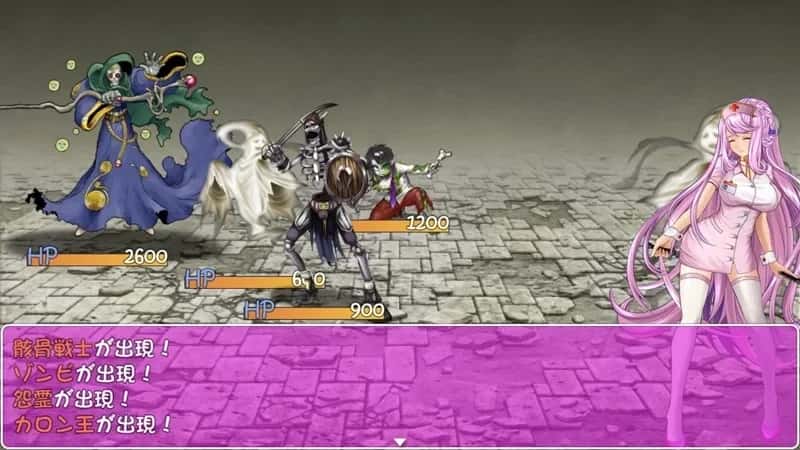
游戏中设有各种道具,玩家需要仔细搜索每个角落,收集这些道具来解决谜题和克服困难。
4. 观察环境
监狱中的每个场景都隐藏着线索和秘密,玩家需要仔细观察环境,寻找可能的逃脱路径。
5. 做出明智选择
游戏中的每个决策都会影响结局,玩家需要权衡利弊,做出最明智的选择。
监禁少女2是一款融合了冒险解谜与角色互动元素的安卓手机游戏。游戏中,玩家将扮演一名年轻女孩,意外被困在神秘的监狱中,需要通过智慧与勇气解开重重谜题,逐步揭开监狱背后的秘密,最终找到逃脱的方法。
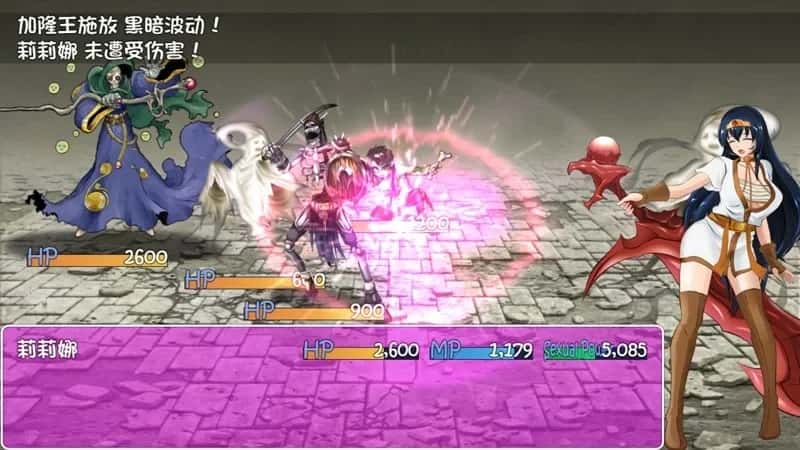
监禁少女2游戏截图
游戏剧情扣人心弦,每个决定都会影响结局,为玩家带来沉浸式的游戏体验。在有限的时间内,玩家需要想办法解开各种谜题,与游戏中的角色进行深入互动,体验独特的冒险解谜乐趣。
游戏特色
多元剧情发展
游戏拥有丰富的剧情线索,每个决策都会影响故事走向,带来多重结局,增加了游戏的可玩性和吸引力。
深度角色互动一、游戏背景与目标
监禁少女 reunion是一款具有独特风格的游戏,玩家需在游戏中帮助少女逃离监禁困境,解开各种谜题和机关,推动剧情发展,最终达成完美结局。
二、核心攻略要点
探索场景
仔细搜索每个房间,不放过任何角落,可能会找到关键道具或线索。注意观察物品的摆放、墙壁上的痕迹等,这些都可能暗示着解谜的方向。
解谜技巧
1. 物品组合:收集到的道具往往需要进行组合才能发挥作用。例如,找到一把钥匙和一张写有奇怪符号的纸条,可能需要通过对比符号找到对应的锁孔,用钥匙打开特定的门。
2. 观察环境:利用场景中的元素来解决问题。如看到房间里有一个漏水的水龙头,周围地面有积水,可能需要利用积水触发某个机关。
3. 逻辑推理:遇到复杂的谜题时,要冷静思考,梳理逻辑关系。比如有几个开关,分别控制不同的灯光,而灯光的亮灭顺序与某个密码相关,通过反复尝试和记录,找出正确的开关操作顺序。
与少女互动
适时与少女交流,了解她的想法和处境,这可能会获取到新的线索或提示。注意她的情绪变化,在合适的时候给予安慰或鼓励,有助于推进剧情。
三、创新之处
1. 沉浸感剧情:游戏剧情紧密围绕少女的监禁与逃脱展开,充满悬念与情感纠葛,让玩家仿佛置身于真实的救援情境中,增强了游戏的代入感。
2. 独特解谜设计:谜题融合了场景探索、物品组合与逻辑推理等多种元素,并非简单的点击解谜,需要玩家充分开动脑筋,增加了游戏的趣味性和挑战性。
3. 情感交互:玩家与少女之间的互动不仅仅是获取线索,更有着情感上的交流,这种创新的设计使游戏不再是单纯的解谜闯关,而是有了更深层次的情感体验,让玩家更能感同身受地去帮助少女摆脱困境。
玩家可以与游戏中的少女们进行深入的互动,通过对话和行动影响她们的情感和态度,体验独特的角色互动乐趣。
精美画面设计
游戏采用细腻的画面和独特的场景设计,为玩家营造了一个沉浸式的游戏体验环境。
紧张刺激的解谜
玩家将深入神秘的监狱,面对未知的挑战与危险,通过解谜来逐步揭开真相。
游戏亮点
监禁少女2以其独特的冒险解谜玩法和精美的画面赢得了众多玩家的喜爱。游戏中的解谜环节设计巧妙,剧情紧凑且充满悬念,让玩家在探索中逐渐沉浸于故事的世界。
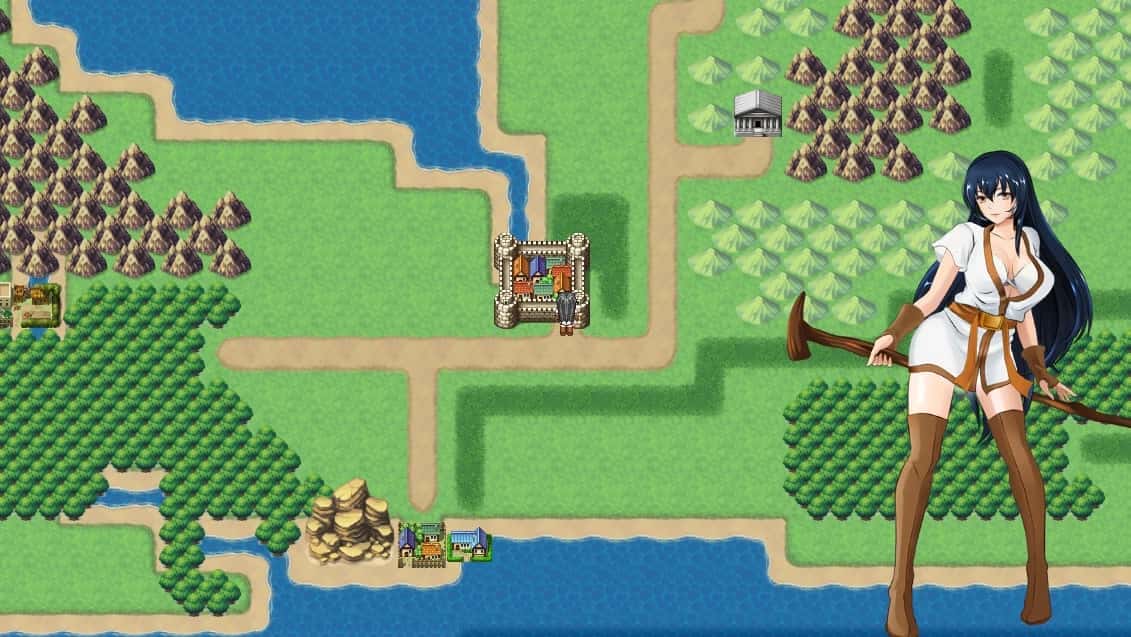
监禁少女2游戏亮点展示
同时,深度角色互动和多重结局设计也为游戏增添了更多可玩性和吸引力。对于喜欢冒险解谜和角色互动的玩家来说,监禁少女2无疑是一款值得一试的游戏。
小经验一:真人密室逃脱的话你一般会在一个暗室里进行,全组唯一的光源就是手电筒,所以你们需要花时间照射找到线索。边找线索大家一起思考,都参与进来,团队合作很重要,每个人都多说一些自己的想法,不要只顾着自己去找线索,这样解谜比较快,群策群力嘛。一般来说要密室逃生的时候都是有主题的,不同的主题难度不同,但是共同的地方就是,他们都有一个剧情!剧情不同,那种紧张程度都不同,但基本都逃不开寻找线索,解出谜题,开锁啊等等步骤。所以说,在房间里面跟着剧情走很重要,因为有的信息你在没有完成前一个步骤之前是得不到的,这样自然就解不开下一个谜题。但是当线索很多的时候到底应该按照什么顺序走呢?这就难倒了很多人,因为当你接触到很多的线索的时候,这些线索就会交织在一起,让你不知道从什么地方下手。所以,遇到相应的线索的时候该怎么去想,就是我接下来要说的。
小经验二:当你看到有一个白板,上面有那种上课用的小磁石的时候,有可能还能看到一句有意义的话被打乱了写在每个磁石上,比如是一句诗,这时候你可以看看每个磁石的后面时候有数字什么的,诗句的顺序就是密码的顺序。
小经验三:有可能会考一些历史的著名年份作为四位密码锁的密码,比如解放中国的时间,独立宣言颁布的时间等。当你猜出文字提示的时候就要敏锐的想想那些年份,有可能那就是关键的密码!
小经验四:遇到一行文字看起来很奇怪的时候,看起来像是某些字的一部分的时候,有可能这些文字会都缺一个偏旁或者一个统一的偏旁。
小经验五:遇到一些一块而已的牛皮纸的时候,多看看正背面有什么信息,有的线索正背面都可以利用,特别是在后面的游戏中找到材质一样的牛皮纸的时候,就尝试把他们拼起来,看看能得到什么线索。
小经验六:墙上有对联,就仔细揣摩一下它的意思,一般不会很难,如果是描述事物的,有可能会暗指你以后找到的一些图画什么的。有的对联还暗示着你密码的拼凑方法。
小经验七:墙上有好几首诗,那就看下他们诗句中有没有共同点,比如是不是都有指示方位的词,是不是都有数字,看看是不是藏头诗或者藏尾诗。线索可能就在其中。
小经验八:当你打开一个大衣柜的时候,要想想里面是不是有什么暗格,或者柜子的后面是不是一个暗门通向别的房间。
小经验九:列举集中隐藏文字的方法:a.用化学方法,比如用酚酞试剂,涂到纸上啊什么的,这就看密室里有没有有无色液体的瓶子了。以此类推也有可能是其他试剂。b.这年头有一些透视扑克牌,必须要戴上特殊的眼镜才能在背面看到一些隐藏符号或者文字。
小经验十:发现一个指南针,可以找找现场有没有放它的地方,比如房间的正中心。而且放置的时候必须指南,所以找找现场有没有方位词,比如诗句里。
小经验十一:发现一条软尺,看看现场有没有说距离的语句,再加上方位词就可以定位,看看藏头诗有没有,比如向东三尺什么的,可以找到下一个线索。
小经验十二:遇到墙上一堆凌乱写的数字,不一定都是有用的,可能会配合其他办法指向正确的数字。但是也可能有一些是前面来玩的队伍写的,可别被蒙蔽了。
小经验十三:遇到麻将牌,一般不考你麻将知识,一般是用到上面所代表的数字按某种顺序来开锁而已,这就需要其他线索来确定顺序啦。
小经验十四:店家为了降低难度,有可能会提供一个神器,这就是一个呼叫器,求助一次店家会过来帮你解决一个难题,但是求助次数有限,因为那是以通关券为代价的。所以建议平时不用,实在没头绪或者时间就要没有了觉得肯定不能通关了可以使用。用好也是一大神器。
小经验十五:摄像头之下的地方可能是重要地点,可以重点关注,不过属于取巧的方法,作用不算特别大,关键还是破解线索
极致的游戏体验,让您沉浸在精彩的虚拟世界中
顶级画质渲染,每一帧都是视觉盛宴
优化的操作体验,响应迅速,操控精准
公平竞技环境,展现真正的技术实力
润色版下载游戏,加入数百万玩家的行列